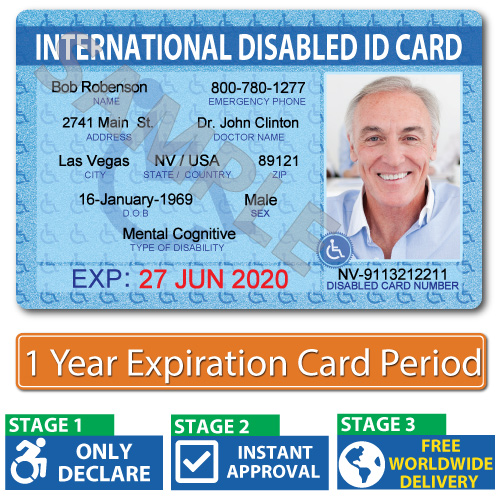
Life can be tough for people with disabilities. A disability card is a big help. It lets people with disabilities get the help they need.
This card is more than just an ID. It’s a way to show that you need certain things. It helps people get the help they deserve.
In the U.S., there’s a push for one card for everyone. Right now, there’s no single card for all. But, many groups and states offer their own cards.
Having a disability card can really help. It can get you special services and help with getting around. It makes it easier to get the help you need.
Knowing about disability cards is the first step. It helps make life easier and more independent for everyone.
Understanding the Disability Card
For millions of Americans with disabilities, a disability card is key. It helps them get the services and help they need. These cards are given out by government and non-profit groups.
What is a Disability Card?
A disability card proves you have a disability. It lets you get certain services and legal rights. In the U.S., different states and the federal government issue these cards.
For example, the Access Card in the UK shows a person’s needs with symbols. The National Disability Card is accepted at over 500 places in the UK and abroad. In the U.S., states have their own cards that work with federal programs like SSDI or SSI.
Eligibility Criteria for a Disability Card
To get a disability card, you need to meet certain rules. You must show a doctor’s note that proves your disability. This is the main thing you need to apply.
You also need to show where you live, a photo ID, and medical records. The rules for these can change a lot from state to state. Knowing what your state needs is the first step.
Types of Disability Cards Available
There are different cards for different needs. In the UK, the Access Card is a special card that shows your access needs. The National Disability Card is accepted at many places and proves you have a disability for discounts.
In the U.S., each state has its own cards. These cards can give you parking or transit discounts. The U.S. doesn’t have one card for everyone. You need to find out what card you need based on what you need help with.
Benefits of Having a Disability Card
Getting a disability identification card brings many benefits. It helps you be more independent and get to places easily. It’s like a key to unlock important services, save money, and get help in emergencies.
For many, it’s a vital tool for everyday life. It makes things easier and safer.
Access to Services and Accommodations
A big plus of having a disability card is the access it gives. Clare from Aberdeen says it makes getting help at events or venues easier. It’s great when you can’t explain your needs right away.
For example, you can show your card at places like bus stations or movie theaters. This can get you priority seating or help with communication. It’s a clear sign you might need some adjustments, making things simpler and less stressful.
Financial Assistance and Discounts
Having a disability card also means you can save money. Many places offer discounts or special deals to cardholders. The National Disability Card program, for instance, has deals with over 500 partners.
These deals are with all sorts of businesses, from movie theaters to restaurants. John from Birmingham says his card has saved his family a lot of money. It’s a big help for managing extra costs that come with a disability.
Emergency Services Identification
In emergencies, a disability card is very important. It tells first responders and doctors about your health right away. This is key if you can’t talk about your needs.
It also helps get you help faster. It lets first responders know about any special needs or conditions. This can save a lot of time in urgent situations.
In short, a disability identification card is more than just an ID. It’s a way to empower yourself. It makes getting services easier, saves money, and keeps you safe in emergencies. It’s a practical tool for a more independent life.
How to Apply for a Disability Card
Getting a disability card might seem hard, but it’s easier with the right steps. This guide will help you understand the process, what documents you need, and how to apply successfully.
Required Documentation and Application Process
The first step is to gather the right paperwork. You’ll need documents to prove you’re eligible and who you are.
You’ll need a government ID like a driver’s license or passport. Also, a certified letter from a doctor is required. This letter should be on official letterhead and clearly state your diagnosis and how it impacts your daily life.
The application process varies by state. Some states have online portals for applications and documents. Others need a paper application. You’ll need your Social Security Number and proof of where you live, like a utility bill.
After you apply, a state agency reviews it. This can take weeks. You’ll get a notification by mail or email when they decide. If your application is missing something, it will be delayed.
Essential Documents Checklist:
- Government-issued photo ID (driver’s license, state ID, or passport)
- Proof of disability from a licensed healthcare provider
- Proof of residency (utility bill, lease agreement, or state ID)
- Completed application form (online or paper)
- Recent passport-style photograph
Different State Regulations and Procedures
Every state in the U.S. has its own agency for disability cards. This means the process, fees, and documents needed can change a lot. It’s important to check with your state’s DMV or Department of Health and Human Services for the latest information.
For example, some states issue a permanent card for a small fee. Others need you to renew it every few years. The process can vary, with some states giving both standard and permanent placards for vehicles.
Certain states have different rules for temporary versus permanent disabilities. A temporary placard might be given for six months for a temporary injury. Getting a permanent card often requires more detailed medical proof.
Always check your state’s official website for the latest application forms and fees. Never pay for forms or information from a third-party website, as this is free from official state agencies.
Tips for a Successful Application
Success in applying for a disability card comes from being well-prepared. The most important tip is to be accurate and thorough with your paperwork. Make sure every document is included and all information is filled out correctly.
Before you submit, make copies of all documents. Keep a complete copy of your application for your records. This is important in case of any questions or issues during the review.
Follow your state’s instructions carefully. If the form asks for a notarized signature or a specific photo type, make sure you do it. Submitting an incomplete or incorrect application is the most common reason for delays.
Be ready for a waiting period. The process involves verification, which takes time. You can check your application’s status online or by calling the state office. If you don’t hear back in the stated timeframe, a polite follow-up call can help.
By understanding the application process, gathering the right documents, and following your state’s rules, you can apply with confidence. This way, you can get the benefits and accommodations you deserve.
Frequently Asked Questions About Disability Cards
Understanding Disability Cards can raise many questions. This section aims to clear up common doubts and point you to helpful resources.
Common Misconceptions
Many think Disability Cards are only for people with obvious physical disabilities. But, cards like the National Disability Card or the Access Card help many conditions, including invisible and neurodivergent ones. Another myth is that applying is too hard. While it needs some paperwork, many places offer help every step of the way.
Renewal and Expiration Information
Disability Cards need to be renewed. They are usually good for three to five years. When it’s time to renew, you’ll need to provide new medical info. Start the renewal process a few months before your card expires to keep getting your benefits.
Where to Get Assistance and Resources
For help, first contact your state’s vocational rehab or disability services office. National groups like The ARC and the National Disability Rights Network can also guide you. For using your card, the Access Card app and the National Disability Card website have lists of places you can go and info on discounts and carer tickets.